


A dripping faucet or a slow drain can make any homeowner think, “I can probably fix this myself.” And sometimes, that’s true. DIY fixes have their place. But plumbing is also one of those systems where a small mistake can quietly turn into water damage, mold, or a much bigger repair bill down the line.
Understanding the difference between what’s safe to handle on your own and when to call a plumber can save you money, time, and a lot of frustration. This guide breaks down DIY vs. professional plumbing in a practical way – so you know what’s truly worth doing yourself and when professional plumbing services are the smarter choice.
Understanding DIY Plumbing Basics
DIY doesn’t mean guessing your way through a repair. It works best when homeowners understand the limits of basic systems and recognize early warning signs before things get complicated.
What Homeowners Can Realistically Handle
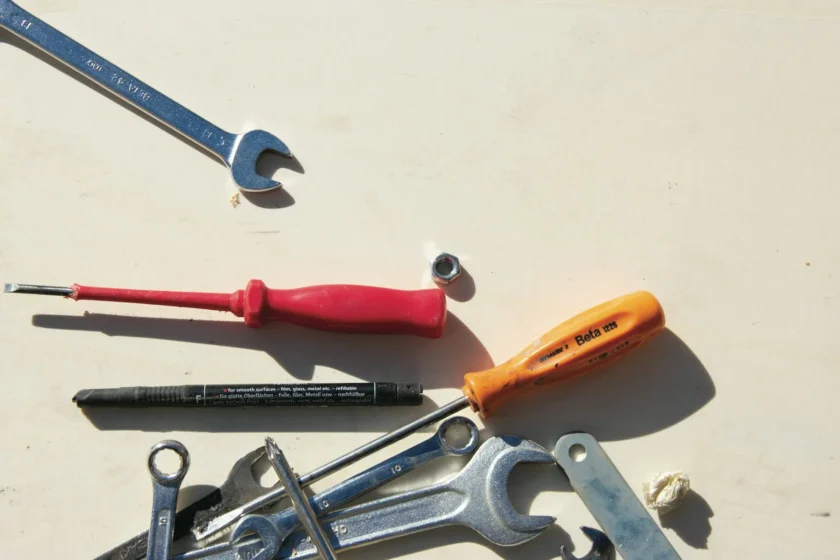
Simple home plumbing fixes are usually limited to visible, low-risk components. Tasks like replacing a faucet aerator, tightening a loose supply line, swapping a toilet flapper, or clearing a surface-level clog are often manageable with basic tools and a bit of patience.
DIY plumbing repairs tend to work best when:
- The problem is isolated to a single fixture
- Water can be shut off easily
- No pipes are hidden behind walls or under floors
- The fix doesn’t involve gas lines, sewer lines, or major pressure changes
In these situations, DIY solutions can be convenient and cost-effective – especially for homeowners comfortable using basic plumbing tools.
Common DIY Plumbing Mistakes to Avoid
Many DIY problems don’t come from lack of effort, but from overconfidence. One of the most common DIY plumbing mistakes is overtightening fittings, which can crack plastic components or deform washers. Another is mixing incompatible parts, especially with “universal” kits that don’t actually match older fixtures.
Chemical drain cleaners are another frequent issue. While they seem like an easy fix, repeated use can damage pipes and create bigger problems later. Misdiagnosing the issue – treating a sewer problem like a simple clog – is also a common mistake that leads to repeat failures.
The Pros and Limits of DIY Plumbing
DIY plumbing can be empowering, but it has clear boundaries. Knowing both sides helps homeowners make better decisions.
Benefits of DIY for Small Repairs
For minor issues, DIY offers immediate results. There’s no waiting for an appointment, and the cost is usually limited to parts and basic tools. Many homeowners also appreciate learning how their plumbing works, which helps them spot problems earlier in the future.
DIY plumbing advice often focuses on maintenance tasks – like cleaning P-traps, adjusting toilet components, or replacing worn washers – that help extend the life of fixtures without altering the system itself.
Why Some Plumbing Problems Are Not DIY-Friendly
Plumbing systems are interconnected. What looks like a small issue at one fixture may be a symptom of a larger problem deeper in the system. DIY plumbing problems often arise when homeowners try to fix recurring clogs, pressure issues, or unexplained leaks without addressing the root cause.
Hidden leaks, sewer line issues, and water pressure imbalances require diagnostic tools and experience. In these cases, DIY plumbing repairs can unintentionally make the situation worse – especially when pipes are old or already weakened.
Professional Plumbing Services Explained
Professional plumbing isn’t just about fixing what’s broken. It’s about understanding how the entire system behaves under normal and stressed conditions.
What Professional Plumbing Services Cover
Professional services go far beyond basic repairs. They include diagnostics such as camera inspections, pressure testing, leak detection, and system evaluations that reveal problems homeowners can’t see.
An experienced team also handles:
- Drain and sewer line cleaning
- Pipe repair and replacement
- Water heater diagnostics and adjustments
- Fixture installation and upgrades
- Emergency plumbing situations
These services are designed to solve the underlying issue – not just the visible symptom.

How Professional Plumbers Reduce Long-Term Risks
One of the biggest advantages of professional plumbing repair is risk reduction. Experienced plumbers know how materials age, how pressure affects joints, and how small issues evolve into major failures.
By using the correct methods and tools from the start, professional plumbing solutions help prevent repeat repairs, water damage, and unnecessary replacements. That long-term perspective is something DIY fixes often can’t provide.
DIY vs. Professional Plumbing Costs
Cost is often the deciding factor between DIY and professional plumbing. While DIY seems cheaper upfront, it doesn’t always stay that way.
DIY repairs typically involve lower immediate costs – parts, tools, and time. But if the repair fails, causes a leak, or masks a deeper issue, the final cost can be significantly higher.
Professional plumbing costs may appear higher at first, but they often include diagnostics, proper repairs, and peace of mind. In many cases, one professional visit costs less than multiple DIY attempts followed by an emergency call.
Understanding the average cost of a plumber per hour matters less than understanding the value of fixing the problem correctly the first time.
When to Call a Plumber Instead of Doing It Yourself
Knowing when to call a plumber is just as important as knowing what you can fix yourself. Certain signs point clearly toward professional help.
Recurring clogs, water backing up in multiple fixtures, unexplained drops in pressure, or moisture appearing where it shouldn’t are all signs you need professional plumbing repairs. So are problems involving sewer lines, water heaters, or anything hidden behind walls or under slabs.
Emergency situations – like burst pipes, sewage backups, or sudden loss of water – always require professional emergency services. These aren’t DIY moments.
A Practical Approach to Decisions in Seattle Homes
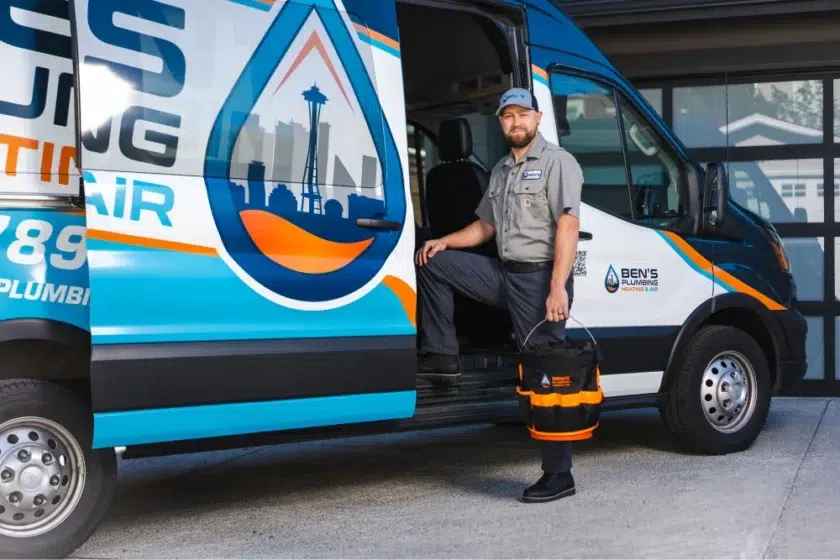
Many Seattle homeowners try to handle small plumbing issues on their own – and in some cases, that’s completely reasonable. But when a problem keeps coming back, affects multiple fixtures, or involves hidden piping, experience and proper diagnostics make a real difference.
At Ben’s Plumbing, the focus is always on understanding the situation first. Instead of jumping straight to repairs, the team evaluates whether an issue can be resolved with a targeted fix or whether it points to a deeper system concern. This approach helps homeowners avoid unnecessary work while making sure real problems aren’t overlooked.
Whether it’s recurring drain issues, unexplained leaks, or plumbing systems in older Seattle homes that need a closer look, having a local professional assess the situation often saves time, stress, and long-term cost – especially when DIY solutions stop being effective.
Making the Smart Choice for Your Home
DIY has its place, especially for small, contained repairs. But plumbing systems are complex, and many issues are interconnected in ways that aren’t obvious at first glance.
The smartest approach isn’t choosing DIY or professional plumbing every time – it’s knowing the difference. Handle the simple fixes confidently, but recognize when experience, tools, and diagnostics matter more than a quick solution.
When plumbing problems go beyond surface-level fixes, calling a professional isn’t giving up – it’s protecting your home.