



Winter in Seattle rarely brings long deep freezes, but repeated cold snaps followed by mild thaws can quietly stress your plumbing system. The problem is that winter-related pipe damage doesn’t always show itself right away. In many homes, cracks and weakened joints stay hidden until spring, when water use increases and temperatures rise.
Spring is often the moment homeowners first notice warning signs – unexpected moisture, odd smells, or changes in water pressure. Understanding where hidden pipe damage after winter tends to occur, and how to spot it early, can help prevent costly repairs and water damage later in the year.
Why Hidden Pipe Damage Often Appears After Winter
Cold weather puts pipes under pressure, even if they never fully freeze solid. When temperatures fluctuate, materials expand and contract repeatedly. Over time, that movement can weaken pipe walls, fittings, and seals – especially in older plumbing systems.
Freeze–Thaw Cycles and Pressure Inside Pipes
Water expands as it freezes. Even partial freezing inside a pipe can increase internal pressure enough to cause tiny fractures. These cracks may not leak immediately. Once spring arrives and water flows more consistently, pressure increases again, turning hairline damage into active leaks.
This is why winter freeze pipe damage often becomes noticeable weeks or even months later, rather than during the coldest days themselves.
Why Some Pipe Cracks Stay Hidden Until Spring
Many vulnerable pipes are tucked behind drywall, under floors, or in basements and crawl spaces. A cracked plumbing pipe in these areas can leak slowly, allowing moisture to spread without obvious signs at first. By the time stains or odors appear, the damage may already be well underway.
Common Types of Hidden Pipe Damage You Can’t See
Not all plumbing problems announce themselves with dripping water or sudden flooding. Some of the most serious issues develop quietly, out of sight.
Plumbing Leaks Behind Walls and Ceilings
Hidden plumbing leaks behind walls are one of the most common spring discoveries. These leaks may show up as faint discoloration, bubbling paint, or soft drywall. In some cases, homeowners notice a musty odor before they ever see visible water damage.
Leaks behind walls in spring often come from pipes that ran along exterior walls or uninsulated cavities during winter.
Pipe Damage Under Floors and in Basements
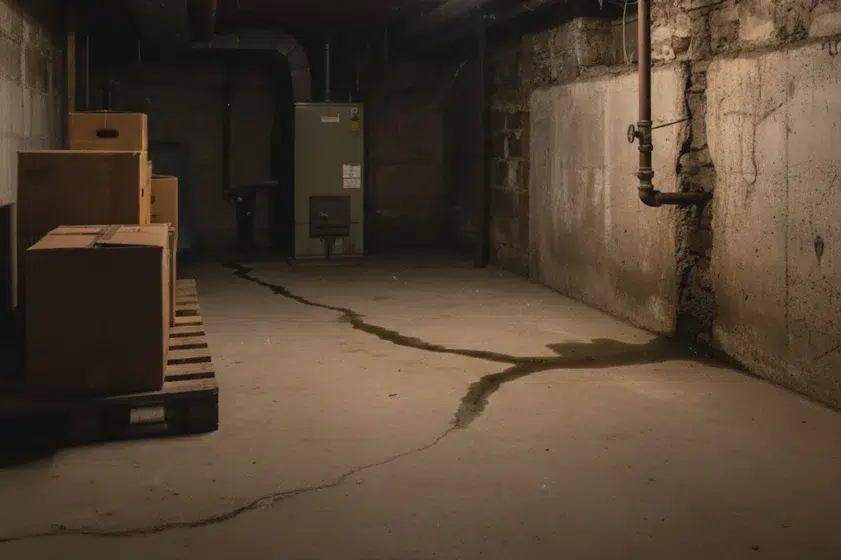
Hidden pipe damage under floors is especially common in basements, laundry rooms, and slab foundations. A slow leak beneath flooring can lead to warped materials, damp carpeting, or unexplained humidity. Basements may develop small puddles or darkened concrete patches that seem to appear without reason.
Warning Signs of Hidden Pipe Damage in Spring
Spring plumbing problems often start with subtle clues. Paying attention to small changes can help catch hidden pipe damage signs before they escalate.
Water Stains, Odors, and Unexplained Moisture
Discolored ceilings, damp baseboards, or lingering musty smells often point to hidden water damage. These symptoms shouldn’t be ignored, even if they appear minor. Moisture trapped inside walls or floors can lead to mold growth and structural issues over time.

Low Water Pressure and Unusual Plumbing Noises
A sudden drop in water pressure or new sounds – such as knocking, rattling, or hissing – can indicate a hidden pipe leak. When water escapes before reaching a fixture, pressure changes throughout the system. Unusual plumbing noises are often the system’s way of signaling internal stress.
Slow Drains and Symptoms of Internal Pipe Damage
While slow drains are often blamed on clogs, they can also be linked to hidden plumbing damage. Cracked pipes may allow debris or soil intrusion, disrupting proper drainage. When slow drains appear alongside other warning signs, internal pipe damage becomes more likely.
How to Check for Hidden Pipe Damage in Spring
Spring is an ideal time for a focused pipe inspection, especially after a colder-than-usual winter.
Basic Visual Checks Homeowners Can Do
Homeowners can start with simple checks. Look under sinks, around water heaters, and near exposed pipes for moisture, corrosion, or mineral buildup. Check ceilings below bathrooms and kitchens for stains. In basements, inspect visible pipes for rust, flaking, or condensation that wasn’t present before.
Monitoring your water meter can also help. If the meter moves when no water is being used, it may indicate a hidden plumbing leak.
What a Deeper Plumbing Inspection Can Reveal
Some issues require tools beyond visual checks. A professional plumbing inspection in spring can identify problems hidden behind walls or underground. Camera inspections allow plumbers to see inside drain and sewer lines, while pressure testing helps locate leaks that don’t surface visibly.
At Ben’s Plumbing, spring pipe inspections focus on identifying hidden pipe cracks, weakened joints, and early-stage leaks caused by winter stress – before they turn into emergencies.
Why Spring Inspections Matter More Than You Think
Hidden pipe damage after winter rarely fixes itself. Left untreated, small leaks can lead to extensive water damage, mold remediation, or structural repairs. Catching these issues early often means simpler, more targeted fixes instead of major restoration work later.
Spring is also when water usage increases – gardening, cleaning, and daily routines put added demand on pipes that may already be compromised. That combination makes early detection especially important.
When It Makes Sense to Call a Professional
If you notice multiple warning signs, recurring moisture, or unexplained changes in your plumbing system, a professional evaluation is the safest next step. This is particularly true for older homes, where spring pipe damage types tend to be more severe due to aging materials.
Ben’s Plumbing provides thorough spring plumbing inspections designed to uncover hidden damage caused by winter conditions. With the right diagnostics, homeowners gain a clear picture of their plumbing’s condition and practical guidance on what needs attention now versus what can be planned for later.
Hidden plumbing damage doesn’t have to turn into a costly surprise. Understanding what causes it, recognizing early warning signs, and scheduling timely inspections can protect your home and your budget.
Spring is the season of renewal – your plumbing system deserves the same attention. If you suspect hidden pipe damage or want peace of mind after winter, a professional inspection can make all the difference.