
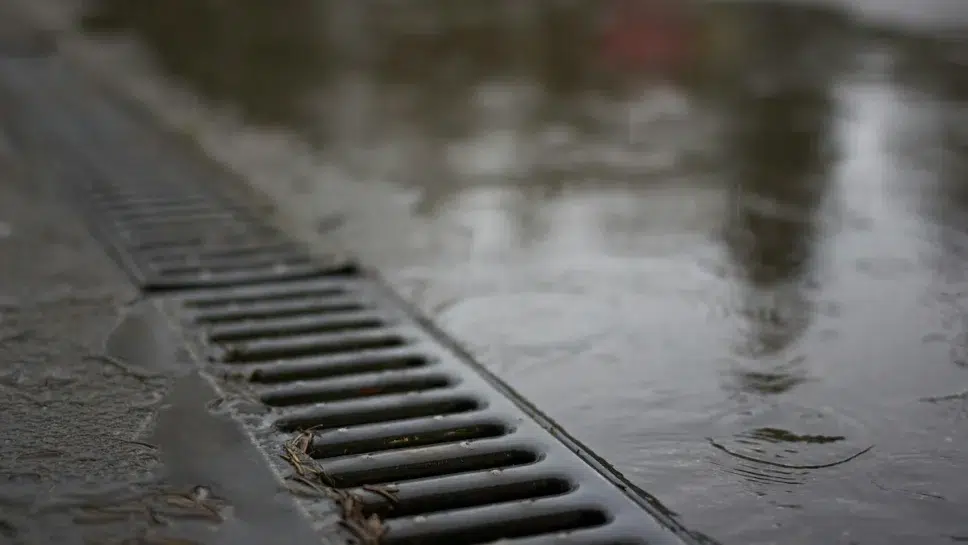

When Seattle enters its rainy stretch, homeowners often prepare roofs, gutters, and outdoor surfaces for months of moisture. What many don’t realize is that sewer lines experience just as much seasonal stress. Heavy rainfall puts additional pressure on aging pipes, increases the volume flowing through the system, and reveals weaknesses that stay invisible during dry weather. A little preparation can go a long way toward preventing messy, expensive, and hazardous backups.
Below, you’ll learn how rain affects plumbing, what warning signs to watch for, and which preventive steps truly matter for sewer line protection in Seattle’s wet climate. If a backup ever occurs, you’ll also know exactly how to respond—and when to call a professional.
How Heavy Rain Affects Your Plumbing System
Seattle’s weather patterns create unique challenges for underground plumbing. When storms move through and the soil becomes saturated, excess water tries to enter any available opening. Sewer lines—especially older clay, cast-iron, or Orangeburg pipes—often become unintended water pathways.
Rain increases strain in several ways:
- Hydraulic overload. Added groundwater seeps through cracks, joints, or deteriorated sections, increasing flow beyond what the system was designed to carry. Even healthy lines can struggle when rainwater pushes through in large volumes.
- Soil movement. When the ground expands after prolonged moisture, pipes can shift or sag. These movements create bellies where debris collects, reducing flow and raising backup risk.
- Inflow from gutters and downspouts. Misrouted rainwater can travel toward the foundation and infiltrate the sewer line from above.
- Root growth acceleration. Tree roots thrive in wet soil. During rainy months they aggressively seek nutrients inside warm sewer pipes, exploiting even hairline gaps.
If your home has older lines, shallow pipes, large trees, or past drainage issues, rainy-season maintenance becomes even more important.
Signs Your Sewer Line May Be at Risk
Many homeowners don’t notice sewer line problems until the first severe storm hits. Recognizing early warning signs gives you time to take action before the situation escalates.
Slow or Backing Up Drains
When water drains more slowly after rainfall, even slightly, it’s often the first hint of a developing restriction.
A healthy system should maintain consistent drainage in the kitchen, bathroom, and laundry. If sinks, tubs, or floor drains hesitate, pool, or briefly back up during or after rain, intrusion from groundwater or debris buildup may be narrowing the line.
Unusual Noises and Gurgling in Pipes
Gurgling indicates trapped air inside the sewer line.
Heavy rain can push excess water into the system, displacing air pockets that escape through nearby fixtures. These noises rarely appear during dry weather, so new gurgling during storms is a red flag.
Foul Odors from Drains
A sewer smell during rainy days suggests one of two things:
- a developing blockage that forces gases upward instead of outward,
- or water intrusion that overwhelmed the main line and disturbed the normal airflow.
Odors may appear in the shower, tub, basement floor drain, or near the kitchen sink—especially in homes with older venting.
Tips for Protecting Your Sewer Line from Heavy Rain
Strong prevention habits reduce the chances of storm-related backups. The following practices address both outside sources of water and weak spots inside the plumbing system.
Installing Backflow Preventers and Valves
A backflow preventer acts like a one-way door inside your sewer line. It allows wastewater to exit your home but prevents city sewer surges from reversing direction.
This device becomes especially valuable during heavy rainstorms when municipal systems reach capacity. Homes on sloped lots, low-elevation neighborhoods, or older streets benefit the most because they face higher stormwater pressure.
Installing a backwater valve or floor drain backflow preventer can protect basements and lower levels from sudden sewage return. Once in place, these devices need periodic inspection to ensure the flap moves freely.
Rain Gutter and Downspout Protection
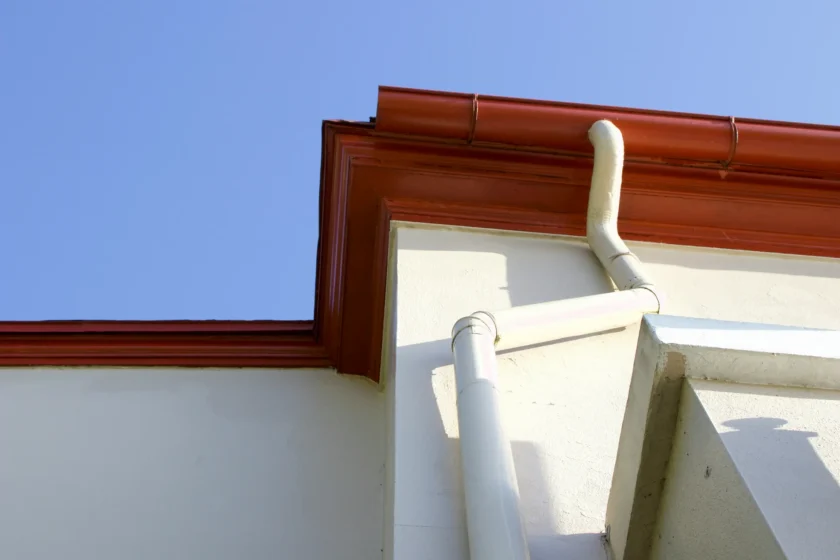
Managing rainwater above ground reduces the amount entering the soil and drains below.
Overflowing gutters can dump water near the foundation, sending excess moisture toward the sewer line through cracks in soil or joints.
Before storm season:
- clean gutters fully,
- ensure downspouts direct runoff several feet from the home,
- consider installing gutter guards to reduce seasonal buildup.
Keeping stormwater away from your sewer line is often the simplest and most effective preventive step.
Tree Root Management
Tree roots naturally seek out nutrient-rich sewer water. Rain-softened soil makes it easier for them to shift, press, and eventually break into the line.
A proactive approach involves:
- identifying large trees planted above or near the sewer path,
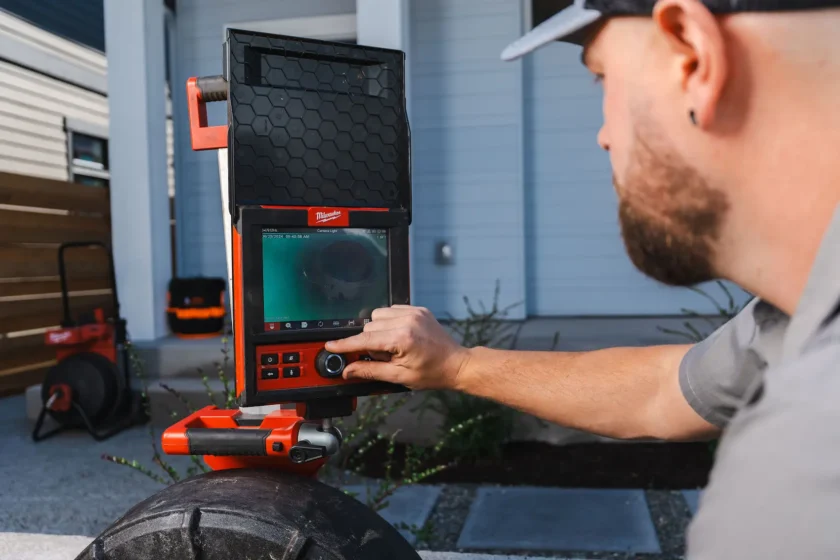
- scheduling periodic camera inspections,
- removing roots before they cause structural damage,
- installing root barriers in yards with repeated intrusion.
Catch roots early and you prevent partial collapses, sewage backups, and costly replacements later.
Regular Sewer Line Maintenance and Inspection
Keeping a sewer line healthy isn’t something most homeowners think about until a storm exposes a hidden weakness. The reality is that underground plumbing can develop problems slowly, long before any visible symptoms appear. Dry months hide minor cracks, early root intrusion, and areas where debris begins to settle. Once heavy rain arrives, those small issues grow quickly under the added pressure.
A consistent maintenance routine strengthens your system before the weather turns. The goal isn’t just to remove blockages—it’s to detect vulnerabilities early and keep everything flowing as it should. A complete maintenance plan often includes several targeted steps:
- Video inspection for structural issues. A camera inspection gives a clear view inside the sewer line and reveals cracks, corrosion, pipe bellies, offsets, early root infiltration, and weak joints. These are the problems that worsen rapidly during rain, so identifying them in advance prevents emergency backups.
- Hydro-jetting to restore full flow. Pressurized water clears sediment, grease, paper buildup, and small root strands that naturally accumulate over time. Performing hydro-jetting before the rainy season ensures the pipe can handle increased volume without struggling.
- Cleaning branch lines. Kitchen, bathroom, and laundry drains all feed into the main sewer line. When these smaller lines stay clean, they reduce the overall load and keep the main line from becoming overwhelmed during prolonged rainfall.
- Vent stack inspection. Proper airflow is essential for smooth drainage. A partially blocked vent can create negative pressure, causing gurgling, slow drainage, and siphoned traps—issues that become more noticeable during storms.
With these steps handled ahead of time, your sewer system performs more efficiently when the rain starts to fall. Preventive maintenance doesn’t just minimize the risk of backups; it extends the lifespan of the entire drainage system and gives you confidence that your home is prepared for Seattle’s wettest months.
What to Do if a Backup Occurs
Despite every precaution, severe rain can still trigger unexpected problems.
If water begins to rise through a basement drain, tub, or shower, you’ll want to act quickly to limit damage and protect your home.
Start by turning off water usage throughout the house—any running fixture adds stress to the main line. Then clear people and pets away from affected areas to avoid contamination.
Avoid chemical drain cleaners, which won’t resolve sewer-level issues and may put you at risk when mixed with wastewater.
If you notice sewage coming from a floor drain, slow drainage in multiple fixtures, or water pooling during a storm, contact a professional immediately. Storm-related backups often require camera diagnostics, hydro-jetting, or emergency clearing to restore safe flow.
For Seattle homeowners, rapid response matters most because prolonged exposure to wastewater can damage flooring, insulation, drywall, and electrical components. A professional team can pinpoint the cause—whether it’s root intrusion, collapsed sections, or stress from rainfall—and clear the line safely.
Protect Your Home Before the Rain Arrives
Seattle’s rainy season doesn’t have to mean plumbing trouble. By managing stormwater above ground, ensuring proper sewer line ventilation and flow, using protective valves, and scheduling routine maintenance, you can avoid most backups before they happen.
If your drains slow down during storms, odors appear after rainfall, or water backs up through a basement drain, don’t wait for the problem to worsen.
Ben’s Plumbing provides professional sewer line inspection, drain cleaning, and rainy-season protection services throughout Seattle.
Our licensed team can assess your system, identify hidden risks, and protect your home before heavy rain puts additional pressure on your plumbing.
For fast help and long-term solutions, contact Ben’s Plumbing for expert sewer line maintenance and storm-season support.