


Tree roots are one of the most common—and most overlooked—causes of sewer line damage. The tricky part is that root intrusion rarely causes a sudden, dramatic failure at first. Instead, it shows up gradually through small warning signs that are easy to dismiss as “just another clog.”
Knowing how to recognize the early signs of tree roots in your sewer line can help you act before minor issues turn into sewage backups, pipe collapse, or costly repairs. This guide explains why roots invade sewer pipes, what symptoms to watch for inside and outside your home, how plumbers confirm the problem, and what can happen if it’s ignored.
Why Tree Roots Invade Sewer Lines
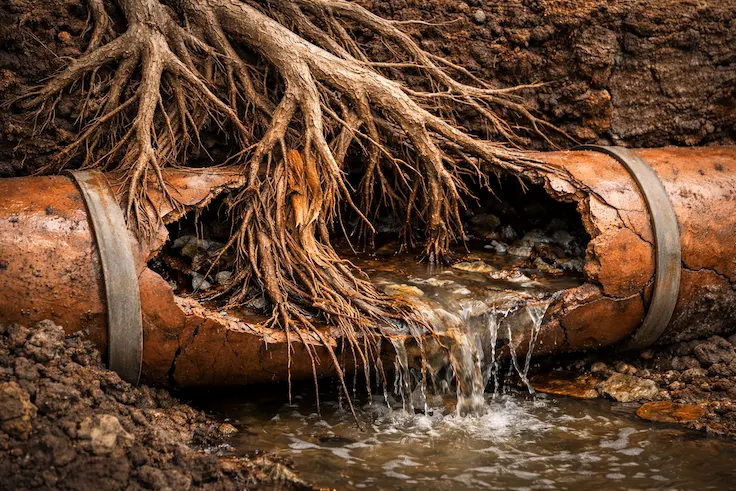
Tree roots don’t break into pipes out of aggression—they follow moisture, oxygen, and nutrients. Sewer lines provide all three. Even a hairline crack, loose joint, or aging seal can release enough moisture to attract nearby roots.
Once roots find that entry point, they continue growing inside the pipe. Over time, those roots expand, trap debris, and restrict flow. This is how tree roots cause plumbing problems that seem to come and go at first, then become persistent.
Why Root Intrusion Is So Common in Older Neighborhoods
Homes in established Seattle neighborhoods often sit near mature trees, and many still rely on older sewer materials like clay or cast iron. These pipes were common decades ago but are more vulnerable to separation, cracking, and joint failure than modern materials. When you combine aging pipes with long-established root systems, root intrusion becomes not just possible—but likely.
Early Warning Signs of Tree Roots in a Sewer Line
Root-related sewer issues usually announce themselves early if you know what to listen for and where to look.
Slow Drains Throughout the House

When roots begin growing inside a pipe, they don’t block it all at once. Instead, they narrow the passage, catching toilet paper, grease, and waste. If more than one drain starts moving slowly—especially sinks, tubs, and showers—it may point to roots in drain pipes rather than a single fixture clog.
Toilet Drain Issues

Toilets are often the first fixture to show symptoms. You may notice weak flushes, rising water levels, or toilets that clog more often without a clear reason. In some cases, flushing one toilet causes bubbling or gurgling in another fixture, a classic sign of partial blockage caused by tree roots in the sewer line.
Gurgling or Bubbling Sounds in Pipes
Air trapped by root obstructions has to escape somewhere. That’s why gurgling sounds in drains—especially after flushing or running water—can signal root intrusion. These noises often come from lower fixtures and tend to worsen over time.
Frequent Backups or Recurring Clogs

If plunging or snaking helps only temporarily and the problem keeps returning, roots may be acting like a net inside the pipe. This is one of the most common symptoms of tree roots in a sewer line: clogs that clear briefly, then come back on a predictable cycle.
Foul Odors From Drains or the Yard
As wastewater struggles to pass through root-filled sections, it can stagnate. That leads to sewer odors inside the home or near outdoor cleanouts. In more advanced cases, cracks caused by roots allow sewage smells to seep into the soil around the line.
Wet Spots, Soft Ground, or Sinkholes in the Yard

Roots can widen existing cracks and allow wastewater to leak into the surrounding soil. Over time, this erodes the ground above the pipe. Persistent damp areas, unusually green patches of grass, or soft soil may indicate underground leakage. In severe cases, tree roots can cause sinkholes by destabilizing the soil.
Increased Pest Activity Near Drains or Yard

Rodents and insects are attracted to moisture and organic waste. If pests suddenly appear near drains, crawl spaces, or specific areas of your yard, it may be tied to a leaking sewer line damaged by roots.
How Plumbers Confirm Root Intrusion
While symptoms offer clues, confirming root intrusion requires looking inside the pipe and evaluating how the system behaves once flow is restored.
Camera Inspections
A sewer camera inspection is the most reliable way to identify tree roots growing into sewer pipes. The camera shows whether roots are thin and newly formed or thick enough to distort the pipe. It also reveals the exact entry point—often a cracked section, offset joint, or deteriorated connection.
Camera inspections help rule out other issues that can mimic root problems, such as grease buildup, mineral scale, or sagging pipes. Knowing the true cause prevents wasted repairs.
Rooter Service and Mechanical Clearing
Once roots are confirmed, plumbers often use a rooter-style cable machine to clear the obstruction and restore flow. This process does more than open the line—it shows how extensive the root growth is and whether the pipe remains structurally sound.
If roots return quickly or the cable repeatedly catches in the same spot, it’s a strong sign of pipe damage rather than a one-time blockage.
Hydro-Jetting and Follow-Up Inspection
In some cases, hydro-jetting is used after mechanical cutting to flush debris and residue from the pipe walls. A follow-up camera inspection after cleaning allows plumbers to see cracks, separations, or corrosion that were hidden by roots, helping homeowners understand whether ongoing maintenance or repair is needed.
What Happens If You Ignore Tree Root Problems
Ignoring early signs of root intrusion rarely ends well. Roots continue growing, and the damage compounds over time.
Complete Sewer Line Blockage
What starts as slow drainage can escalate into a total blockage. When wastewater has nowhere to go, it backs up into the lowest fixtures in the home.
Sewage Backups Inside the Home
Sewage backups can affect showers, tubs, or floor drains first. These events are messy, unsanitary, and can damage flooring, drywall, and personal belongings quickly.
Structural Damage to Pipes and Foundation
As roots widen cracks, pipes can collapse or shift. Leaking wastewater may also undermine nearby soil, increasing the risk of foundation movement or yard damage.
Risk of Yard Sinkholes and Soil Collapse
Long-term leaks wash away soil around the pipe. Over time, this creates voids that can collapse under weight, leading to visible sinkholes.
How to Prevent Tree Roots from Entering Sewer Lines
Prevention focuses on limiting root access and monitoring vulnerable systems.
Smart Tree Placement and Landscape Planning
When planting new trees, consider their mature root spread and distance from sewer lines. Fast-growing species with aggressive roots pose higher risks near underground utilities.
Root Barriers and Resistant Materials
Root barriers and modern pipe materials can help reduce intrusion risk during landscaping or repair projects. While not foolproof, they add a layer of protection in high-risk areas.
Routine Sewer Line Maintenance and Monitoring
Homes with mature trees or older pipes benefit from periodic camera inspections. Catching early tree root problems allows for maintenance instead of emergency repair.
When to Consult a Seattle Plumber
If symptoms appear repeatedly or worsen, professional evaluation is the safest next step. Local plumbers understand regional soil conditions, tree species, and aging infrastructure common in Seattle neighborhoods.
Tree roots rarely cause sudden sewer failures. Instead, they leave clues—slow drains, recurring clogs, strange noises, and odors—that grow worse over time. Learning to recognize the signs of tree roots in your sewer line gives you the chance to act early, protect your home, and avoid major disruption.
If you’re noticing persistent symptoms or want clarity before problems escalate, Ben’s Plumbing can help evaluate what’s happening beneath your property and guide you toward the right next step.