



Winter can be tough on a home’s plumbing system, even when nothing obviously breaks. Freezing temperatures, shifting soil, and months of heavier water use all leave their mark. When spring arrives, it’s the right time to check how your plumbing held up and catch small issues before they turn into expensive repairs.
A spring plumbing inspection helps homeowners spot hidden leaks, drainage problems, and early signs of pipe or fixture wear. This guide walks through what to look for, why spring plumbing maintenance matters, and when calling a professional makes sense.
Why Plumbing Inspection After Winter Is Important
Cold weather puts plumbing under stress. Pipes expand and contract, joints loosen, and seals that survived winter may fail once water pressure increases again. Many spring plumbing problems don’t show up immediately. Instead, they start quietly – slow drains, faint gurgling sounds, or damp spots that seem harmless at first.
A proper plumbing inspection after winter allows you to catch these warning signs early. Addressing them in spring often prevents water damage, mold growth, and emergency calls later in the year when systems are under heavier use.
For older homes, spring plumbing inspection is especially important. Aging pipes, cast iron drains, or older sewer connections are more vulnerable to seasonal changes and hidden deterioration.
A Plumbing Maintenance Checklist for Your Home
Spring is the best season to take a whole-system view of your plumbing. Instead of reacting to one problem at a time, a checklist approach helps you understand how everything is working together.
Checking Pipes for Leaks and Damage
Start indoors by inspecting exposed pipes under sinks, in basements, utility rooms, and crawl spaces. Winter can cause hairline cracks or loosen fittings that don’t leak until pressure returns to normal.
Look for signs such as moisture around joints, corrosion, mineral buildup, or discoloration on nearby surfaces. Even slow drips can cause long-term damage if left unchecked. Spring pipe inspection helps prevent structural damage and keeps repair costs lower.
If your home has older plumbing materials, this step becomes even more important. Small leaks in spring often worsen during summer when water usage increases.
Inspecting Drains and Sewer Lines
Spring drain inspection is about more than clearing clogs. Melting snow and seasonal rain increase pressure on underground pipes, which can expose weaknesses in drain lines or sewer connections.
Pay attention to how water moves through sinks, tubs, and showers. Slow drainage, bubbling, or inconsistent flow can indicate buildup or early sewer line issues. Spring sewer inspection often reveals problems caused by winter debris, grease accumulation, or shifting soil.
If multiple drains are slow at once, that’s a strong signal the issue may be deeper in the system, not just at one fixture.
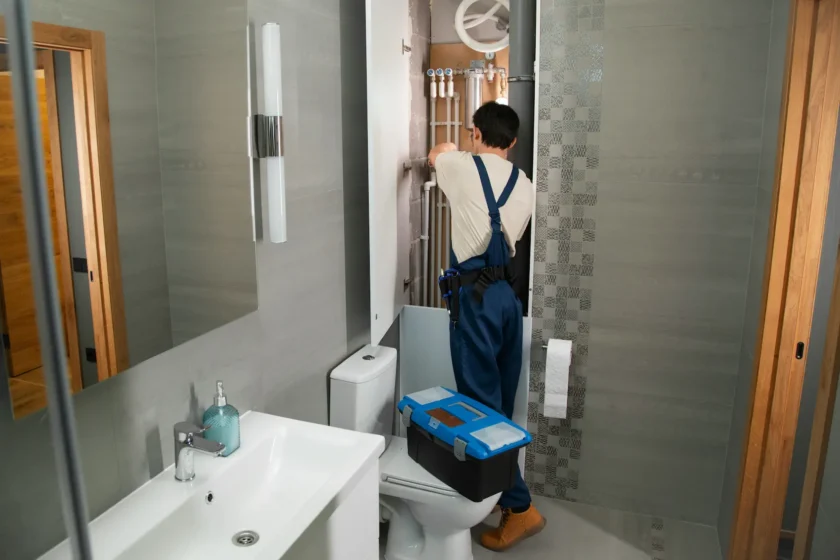
Preparing the Sump Pump for Spring Rains
For homes with basements, testing the sump pump in spring is critical. Snowmelt and rain can quickly overwhelm a pump that hasn’t been checked since fall.
Pour water into the pit to confirm the pump activates properly, drains efficiently, and shuts off correctly. Listen for unusual noises and make sure the discharge line is clear. A sump pump failure during spring storms can lead to significant basement flooding, even if everything seemed fine over winter.
Water Heater Efficiency and Maintenance Checks
Water heaters often work hardest during winter, which makes spring an ideal time for maintenance. Check around the tank for moisture, corrosion, or sediment buildup. Listen for popping or rumbling sounds that can indicate scale accumulation.
Spring water heater maintenance helps improve efficiency, extend the unit’s lifespan, and reduce the risk of unexpected failures during warmer months. Even small efficiency issues can raise energy bills over time if ignored.
Outdoor Plumbing and Drainage Checks
Spring plumbing inspection shouldn’t stop at the front door. Outdoor systems often suffer the most winter damage, especially in climates with freezing temperatures.
Inspecting Outdoor Faucets and Connections
Turn on outdoor faucets and hose bibs slowly. Watch for leaks, reduced flow, or water dripping behind siding or walls. Freeze damage inside the wall can remain hidden until spring use resumes.
Outdoor plumbing inspection in spring also includes checking irrigation hookups, exposed pipes, and shutoff valves. Catching problems early prevents water waste and landscape damage later in the season.
Common Plumbing Problems Homeowners Notice in Spring
Some plumbing issues show up almost like clockwork once winter ends. Recognizing these patterns helps homeowners respond before damage escalates.
How Spring Leaks Can Lead to Bigger Issues
A small leak discovered in spring may seem minor, but warmer temperatures and higher water usage can turn it into a serious problem. Moisture trapped in walls or floors creates ideal conditions for mold and rot.
Spring leak detection gives homeowners a chance to stop damage early, protect indoor air quality, and avoid costly restoration work.
Slow Drains and Gurgling Sounds
Spring plumbing problems often include slow drains or gurgling sounds that weren’t present during winter. These symptoms can point to partial blockages, venting issues, or early sewer line stress caused by seasonal water flow.
Ignoring these signs allows pressure to build in the system. Over time, that pressure can lead to backups or pipe damage that’s far more expensive to fix.
Plumbing Tips That Help Prevent Issues Throughout the Season
Springtime plumbing maintenance isn’t just about inspection – it’s also about prevention. A few simple habits can reduce the likelihood of problems developing later in the year.
Regularly flushing drains with hot water helps prevent grease and soap buildup. Avoid pouring fats or food waste down kitchen sinks, and use drain strainers where possible. Running water periodically in lesser-used fixtures keeps traps from drying out and helps identify slow leaks early.
Seasonal plumbing maintenance also means paying attention. Unusual sounds, odors, or changes in water pressure are often early warnings that something needs attention.
When It Makes Sense to Call a Professional Plumber
Basic visual checks are a smart first step, but some plumbing issues need a closer, more experienced look. Persistent leaks, drains that stay slow after cleaning, or problems affecting multiple fixtures at once often signal something deeper than a simple seasonal issue.
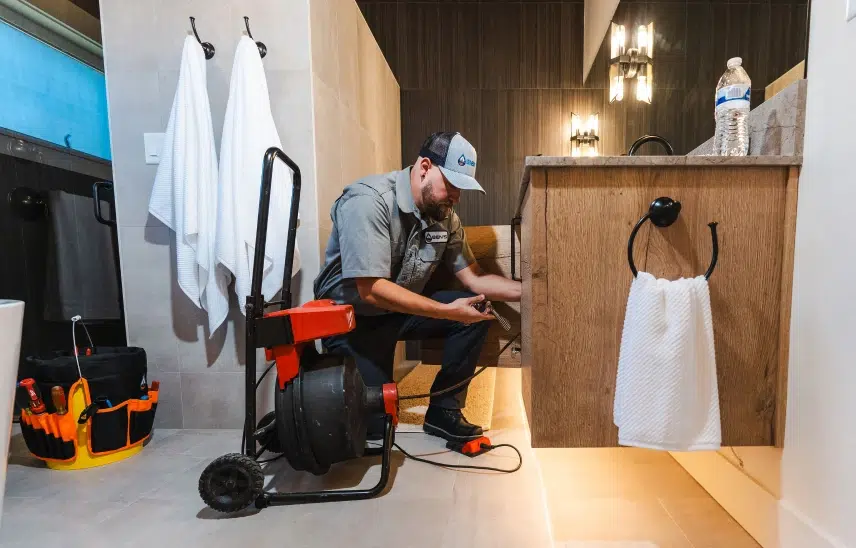
This is where a professional inspection becomes especially valuable. At Ben’s Plumbing, spring inspections typically include camera inspection of drain and sewer lines to check for hidden blockages or early pipe damage, pressure testing to spot small leaks, and targeted diagnostics that help identify problems without unnecessary guesswork. These tools allow issues to be located accurately, rather than addressed through trial and error.
For older Seattle homes, a spring plumbing inspection is often the most effective way to catch aging pipe issues before they turn into emergency repairs. Winter stress can weaken joints, seals, and older materials, and those weaknesses tend to show up once water usage increases in spring.
If you’re unsure whether what you’re seeing is normal seasonal wear or an early warning sign of a bigger plumbing problem, having Ben’s Plumbing take a closer look can provide clarity and direction – helping you plan repairs proactively instead of reacting to sudden breakdowns.
Final Thoughts
Spring is a reset for your home – and your plumbing is no exception. A thoughtful spring plumbing inspection checklist helps homeowners protect their property, avoid surprise repairs, and keep systems running smoothly throughout the year.
By checking pipes, drains, outdoor fixtures, and key components like sump pumps and water heaters, you can catch problems early and make informed decisions. And when a situation feels beyond DIY inspection, professional plumbing services provide the tools and expertise to address issues correctly the first time.
Taking a proactive approach to spring plumbing maintenance pays off all year long.