

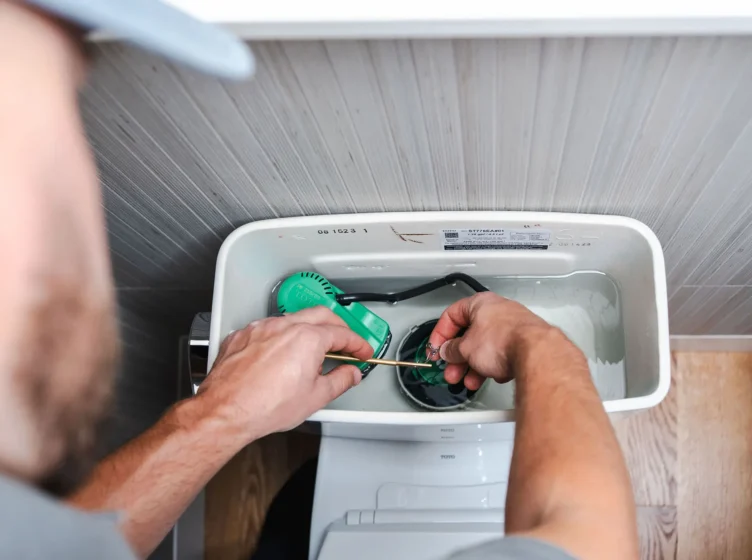

A toilet that won’t stop running is one of the most common—and most frustrating—plumbing issues for homeowners. Sometimes it’s a soft hiss you hear from the tank. Other times, water keeps flowing nonstop. And sometimes the toilet runs on and off by itself, long after anyone has flushed. Besides the irritation, wasted water from a constantly running toilet can add up quickly, raising your utility bill without you even noticing.
If you’re wondering why does my toilet keep running or how to fix a toilet that won’t stop running, this guide breaks everything down simply. You’ll learn how the toilet’s internal parts work, the most frequent causes of a toilet that keeps running, diagnostic steps, safe DIY fixes, situations where the problem is bigger than it looks, and when calling a professional plumber is the smartest move.
How a Standard Toilet Flush System Works
Understanding the mechanics of the tank makes troubleshooting much easier. Although toilets look different on the outside, the internal components operate nearly the same way.
When you push the handle, a chain lifts the flapper—a soft rubber seal at the base of the tank. Water rushes into the bowl, creating the flush. As the tank empties, the fill valve activates and refills the tank. A float rises with the water level, and when it reaches the set height, the fill valve shuts off. A small refill tube sends just enough water into the bowl to restore its water level.
A toilet runs continuously when one of these mechanisms fails to shut off correctly or when water leaks out of the tank faster than the fill valve expects. The result is familiar: my toilet keeps running, my toilet won’t stop filling, or the toilet continues to run even though nothing was flushed.
Common Reasons a Toilet Keeps Running
Some tank problems are extremely common. Below are the issues plumbers see most often in Seattle homes—and how each one affects performance.
Worn or Warped Flapper
The flapper is responsible for sealing the tank between flushes. Over time, rubber deteriorates from age, chlorine, and mineral exposure. When the seal weakens, water leaks slowly into the bowl, causing the fill valve to switch on repeatedly. That’s why many homeowners notice the toilet running on and off at random—classic flapper failure.
Faulty or Sediment-Clogged Fill Valve
If the toilet tank won’t stop filling or water spills into the overflow tube, the fill valve likely isn’t closing completely. Sediment buildup, internal wear, or worn seals can prevent it from shutting off. This can lead to a constant hissing noise or full-on running water.
Incorrect Float Height
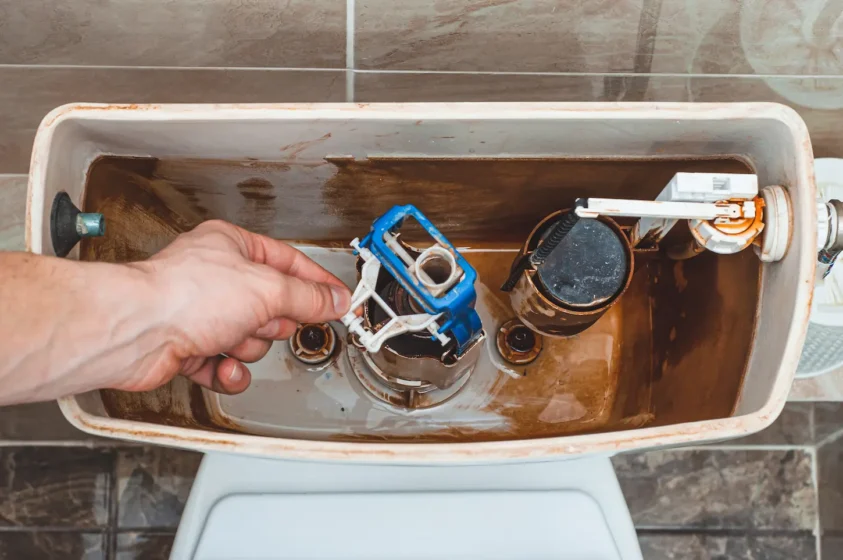
When the float is set too high, the water level never stabilizes, spilling into the overflow tube continuously. When it’s set too low, the toilet won’t flush efficiently and may require multiple flushes. A simple adjustment often solves the issue—yet incorrect float height remains one of the most overlooked causes of a toilet always running.
Leaky Flush Valve Seat
Replacing the flapper doesn’t always fix the problem. If the flush valve seat (the base surface where the flapper seals) is cracked, pitted, or covered in mineral scaling, water continues to leak. This issue often leads to why is my toilet running even after replacing the flapper?
Improperly Installed Refill Tube
If the refill tube extends too far into the overflow pipe, it creates a siphon effect that keeps drawing water from the tank. This results in low water levels, repeated fill cycles, and a toilet that won’t stop running no matter how many adjustments you make.
How to Diagnose a Constantly Running Toilet
A few quick checks help narrow down the source of the issue before you start replacing parts.
The Dye Test for Hidden Leaks
A running toilet isn’t always visibly leaking. Add a couple of drops of food coloring to the tank and wait 10–15 minutes without flushing. If the coloring appears in the bowl, water is bypassing the flapper or valve seat—confirming a leak.
Check the Water Level and Float Position
Lift the tank lid and look at the water line. If it’s too close to the top of the overflow tube, adjust the float. If the water line is unusually low, there may be a siphon or a malfunctioning fill valve.
Inspect the Flapper and Chain
Check whether the flapper sits flat and moves freely. A chain that’s too tight can prevent proper sealing; a chain that’s too long can snag and hold the flapper partially open. Either condition results in water won’t stop running in toilet symptoms.
How to Fix a Toilet That Won’t Stop Running
After diagnosing the issue, the right fix becomes much clearer. Many solutions are simple enough for homeowners to try.
Adjust the Float Level
If the water level rises too high, gently lower the float using the adjustment screw or clip. The correct water level is usually marked inside the tank—typically about an inch below the top of the overflow tube. A well-set float often resolves toilet won’t stop filling complaints immediately.
Replace the Flapper
A new flapper is inexpensive and often solves the majority of running toilet issues. Shut off the water supply, remove the old flapper, clean the seat, and install the new one. If you’ve been searching for how to stop my toilet from running, this is usually step one.
Clean or Replace the Fill Valve
If the tank continues filling when it shouldn’t, flush out sediment or replace the valve entirely. Modern fill valves are quiet, reliable, and often worth upgrading—especially in Seattle neighborhoods with mineral-heavy water.
Correct the Refill Tube Placement
Clip the refill tube so it sits at the top of the overflow pipe rather than inside it. This prevents constant siphoning and restores a stable water level.
When Minor Fixes Don’t Work
Sometimes homeowners adjust everything correctly—and the toilet still acts unpredictable. If the toilet runs intermittently, stops for a day, then restarts, or if multiple internal components look worn, the flush assembly may be aging as a whole. At that point, continuing to guess part-by-part often costs more than getting a clean diagnosis from a licensed plumber.
When a Running Toilet Signals a Bigger Problem
A toilet that constantly runs isn’t always just a tank issue. Other plumbing symptoms can point to deeper concerns:
- Gurgling noises from nearby drains
- Slow sinks or tubs in the same bathroom
- Sewer odors near the toilet
- Water levels rising and falling in the bowl
- Mineral or rust debris inside the tank
These can indicate venting problems, partial blockages in the main line, or pressure fluctuations. If you notice more than one symptom, it’s best to treat the running toilet as a sign of a developing plumbing problem rather than an isolated hardware issue.
When to Call a Professional Plumber
Professional help is the right choice when:
- replacing the flapper and adjusting the float doesn’t stop the running,
- the fill valve is noisy, old, or clogged with sediment,
- symptoms come and go unpredictably,
- you observe corrosion, cracks, or mineral buildup on internal parts,
- more than one toilet or fixture begins showing similar issues.
A licensed plumber can spot problems homeowners rarely notice—like worn flush valve seats, venting restrictions, or hidden leaks contributing to high water bills.
For Seattle homeowners, timely professional toilet service prevents wasted water and ensures the whole plumbing system stays healthy instead of relying on repeated temporary fixes.
How to Prevent Future Running Toilet Problems
Prevention keeps minor problems from returning:
- Lift the tank lid occasionally to check for early wear.
- Replace flappers and fill valves every few years or sooner in homes with hard water.
- Avoid in-tank cleaners that degrade rubber components.
- Keep an eye out for inconsistent flushing or slow bowl refill—often early clues that something is failing.
The goal is simple: catch issues early, before your toilet always running becomes an expensive habit.