

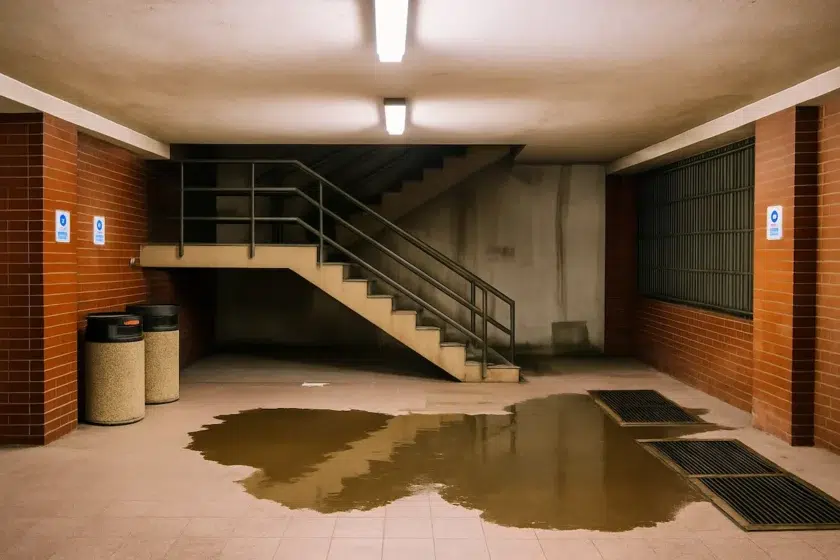

Your basement floor drain is supposed to move water away from your home. When you start seeing water coming up from the basement floor drain, puddles around the grate, or even dirty water backing up across the floor, it’s more than an annoyance. It’s a warning that something is wrong somewhere in your drainage or sewer system.
For Seattle homeowners, this often happens during heavy use (laundry, long showers) or after long stretches of rain. In this guide, you’ll learn how basement floor drains work, what causes basement floor drain backup, how to recognize early warning signs, and which steps can help before you call a professional plumber.
How Basement Floor Drains Work
A typical basement floor drain sits at the lowest point in the slab. Under the round or square grate, there’s a short section of pipe that leads into a P-trap. That trap holds a small amount of water at all times. The standing water acts as a barrier that blocks sewer gases from entering your basement.
From the trap, the drain connects to a branch line or directly into the main sewer line. When everything is clear, any water that reaches the drain—whether from a laundry sink, a water heater relief line, or condensation—simply flows through the trap and into the sewer.
When the line becomes restricted or overloaded, however, the system looks for the easiest place to release pressure. Because that floor drain is the lowest opening in your home, it often becomes the first place where water backing up through basement floor drain shows up.
Common Causes of Basement Basement Drainage Problems
A basement floor drain backing up almost never means “the drain itself is bad.” In most cases, it is telling you about a problem deeper in the plumbing.
Clogs and Blockages
One of the most common issues is a simple clog. Over time, drains collect:
- dust, dirt and debris swept toward the floor drain,
- lint and fibers from washing machines,
- hair and soap film from nearby sinks or showers,
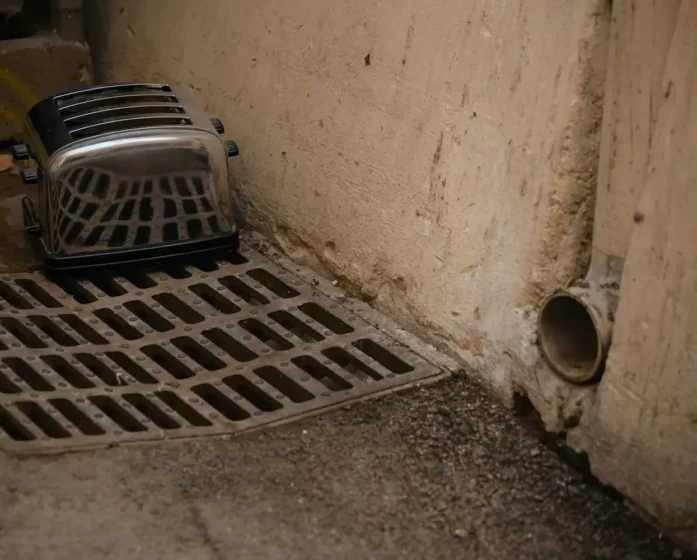
- small objects that accidentally fall through the grate.
All of this can lead to a basement floor drain clogged with heavy buildup inside the trap or the first few feet of pipe. At first you might only notice standing water in basement floor drain after laundry or cleaning. As the clog grows, water may start rising faster and draining more slowly.
Plumbing and Sewer Line Issues
If you see water backing up in basement floor drain when you flush a toilet, drain a bathtub, or run the dishwasher, the problem is likely farther down the line. Common causes include:
- tree roots invading old clay or cast iron sewer pipes,
- “bellies” or low spots in the main line where waste collects,
- long-term scale, grease, or sludge buildup,
- partial collapses or cracks in the sewer line.
In these cases, the basement drain is simply the lowest exit point. Any restriction in the main makes that floor drain act like a relief valve. The more severe the restriction, the higher and dirtier the backup.
Everyday Triggers
Sometimes, a line isn’t completely blocked—it’s just restricted. Everyday activities can push it past its capacity. You might notice that:
- the floor drain in basement keeps backing up during or right after washing clothes,
- clear water appears in the drain after the kitchen sink empties,
- a small puddle forms every time multiple fixtures run at once.
These “everyday triggers” are easy to dismiss, but they’re valuable clues that bigger problems are forming.
Seasonal Factors
In the Seattle area, weather also plays a role. After long periods of rain or a storm, you may see water coming up from basement floor drain after heavy rain even if you haven’t used any fixtures recently. Heavy rain can:
- saturate soil and put extra pressure on buried sewer lines,
- allow groundwater to infiltrate through cracks or joints,
- overload parts of the municipal system and push water backward.
If your basement floor drain backing up when it rains or after long wet periods, it’s a strong hint that the problem involves more than a small indoor clog.
Warning Signals of Basement Water Backup
A full basement floor drain overflowing usually doesn’t happen without early warning. Paying attention to small changes gives you a chance to act before the situation escalates.
Standing Water
Water that pools around the drain and disappears slowly is an early sign that flow is restricted. If you regularly see a ring of moisture or an expanding puddle, especially after laundry or showers, treat it as a developing basement floor drain backup, not “normal dampness.”
Foul Odors
Sewer or musty odors coming from the floor drain mean something is off. The trap might have dried out, or wastewater may be sitting in the line. Strong smells often go hand in hand with deeper blockages or partial sewer backups. If odors show up at the same time as slow drains, don’t ignore them.
Slow or Gurgling Drains
Gurgling sounds from the basement drain, or from nearby sinks and tubs, are another warning. That sound usually means air is fighting its way past trapped water because the line is partially blocked. When gurgling happens together with slow fixtures upstairs, it often points to a main line restriction rather than a small local clog.
How to Fix a Water Backup Issues
Not every basement floor drain backing up situation requires an emergency sewer repair. Some light clogs can be handled at home. Others need professional tools and expertise. Before you start, take a close look at what’s backing up.
- Clear or slightly cloudy water usually indicates a minor blockage near the drain.
- Dark, gray, or foul-smelling water suggests sewage or a problem in the main line.
If sewage is present, avoid contact, keep children and pets away, and skip straight to professional help.
Basic Steps to Clear a Clogged Drain
When you’re dealing with clear water and no heavy odor, you can try a few careful steps to unclog floor drain in basement.
Start by the drain cleaning any visible debris. Hair, lint, and dust often sit just under the grate. Place towels or a bucket nearby to manage any additional water. A wet/dry vacuum can be very helpful for pulling out standing water and loose debris from the trap.
Once the surface is clear, pour hot (not boiling) water down the drain to soften light buildup and soap residue. A combination of baking soda followed by white vinegar can also help break down organic film in the upper part of the line. Allow the mixture to sit for 10–15 minutes, then rinse again with hot water and watch how the drain behaves. If water now goes down quickly and stays down, you likely resolved a minor blockage.
When to Use Plumbing Tools
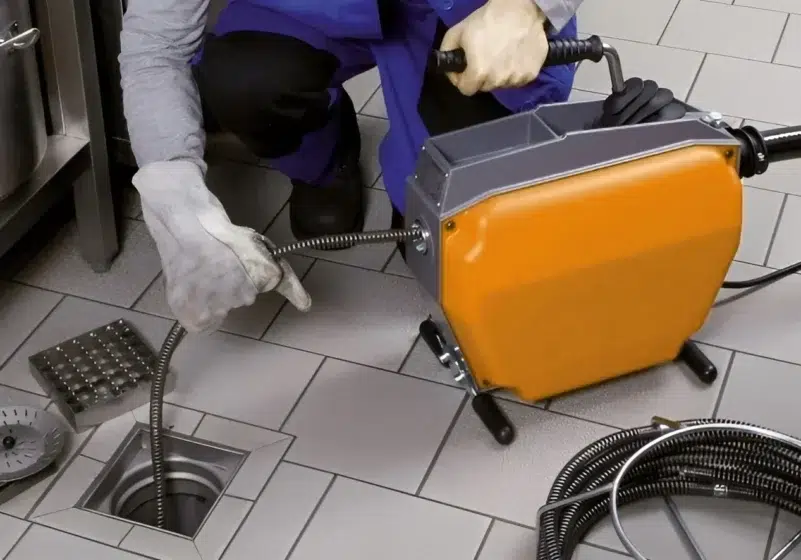
If pooling returns right away, or the drain clears only a little, a drain snake can reach deeper into the line. This can be effective for short runs of pipe with simple clogs. Feed the cable slowly and let the tip work through soft material rather than forcing it.
Stop immediately if you feel solid resistance you can’t pass or if the cable comes back with mud, roots, or heavy sludge. At that point, it’s no longer a surface clogged basement floor drain repair job—it’s a sign of bigger issues in the main line.
Professional Plumbing Help
Some basement drain issues simply can’t be solved with hot water, a shop vac, or a small drain snake. You should call a plumber when:
- backups keep returning after basic cleaning,
- water is dark or clearly contaminated,
- multiple fixtures are slow or backing up at the same time,
- backups happen after storms, even when you’re not using water.
A professional can resolve basement floor drain backup safely by combining camera inspection and the right cleaning method. Video inspections show exactly where the line is damaged or blocked. Hydro-jetting equipment can remove heavy buildup, grease, and roots that home tools can’t reach. If the pipe is cracked, collapsed, or severely corroded, your plumber can recommend targeted repair or replacement instead of repeated temporary fixes.
Drainage System Maintenance Tips for the Long Run
The best way to avoid another basement floor drain backing up episode is to treat your drain and sewer line as part of regular home maintenance, not an afterthought.
Simple habits go a long way:
- Pour a quart of clean water into rarely used floor drains every month to keep the trap full and odors away.
- Keep lint traps on laundry drains and avoid sweeping heavy debris straight toward the floor drain.
- Never pour paint, harsh chemicals, or large amounts of grease into any household drain—these materials create stubborn buildup throughout the system.
- Before Seattle’s rainy season, consider a professional basement floor drain maintenance checkup or a full sewer camera inspection, especially in older homes or houses with large trees near the sewer line.
Catching small problems early costs far less than cleaning up after a major backup.